
RESEARCH IMPACT
Investing in the Future of Hydrocephalus Research
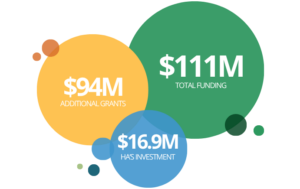 For over 16 years, the Hydrocephalus Association has invested nearly $17 million in hydrocephalus research, the impact of that investment extending far beyond our direct funding. Researchers supported by HA have gone on to secure an additional $94 million in follow-on funding, bringing the total research investment shaped by our community to over $111 million across 145 grants awarded. Every dollar entrusted to us by our generous donors has helped build a flourishing and dynamic field dedicated to improving the lives of people living with hydrocephalus.

Clinical Trial Updates
PENS Trial: A Landmark Advance for iNPH
For decades, controversy surrounded a deceptively common condition in older adults. Idiopathic normal pressure hydrocephalus (iNPH) affects nearly one million older Americans, yet more than 80% of cases go unrecognized or untreated, often misdiagnosed as Alzheimer's disease, Parkinson's disease, or dismissed as normal aging. The condition is commonly associated with a triad of symptoms consisting of difficulty walking, cognitive impairment, and impaired bladder control, although not everyone experiences all three symptoms. Left untreated, iNPH can lead to falls, loss of independence, and severe disability. The primary treatment has long been shunt surgery, but its effectiveness was disputed for years, leaving many patients without access to the care they needed.
That all changed in 2025. The Placebo-Controlled Efficacy in iNPH Shunting (PENS) Trial has become the first large, double-blind, placebo-controlled study of its kind, definitively demonstrating that shunt surgery improves walking and balance, reduces falls, and restores independence in older adults with iNPH. The results were published in The New England Journal of Medicine, one of the most prestigious peer-reviewed medical journals in the world. The trial was led by Johns Hopkins University School of Medicine and the Adult Hydrocephalus Clinical Research Network (AHCRN), a collaborative network that the Hydrocephalus Association helped establish and has funded since 2012. In total, there were 21 active sites in the United States, Canada, and Sweden in the study, with 17 enrolling patients. The PENS trial will continue to follow participants for 12 months to measure long-term outcomes, including cognition, daily functioning, and quality of life, with early findings already suggesting gains beyond walking.
The recognition this work has received reflects its extraordinary impact. The National Institute of Neurological Disorders and Stroke (NINDS) named the PENS Trial one of its Top 10 Research Advances of 2025, a distinction that spans basic, translational, and clinical research, further highlighting breakthroughs advancing neuroscience and improving care for people with neurological conditions. For the hydrocephalus community, this honor marks a turning point, one that will help ensure more patients are recognized, diagnosed, and treated in time to preserve their independence and quality of life.
SCEMPI Drug Trial for Preterm Infants
Drs. Shenandoah Robinson and Lauren Jantzie at Johns Hopkins are leading the first clinical trial to test a drug combination treatment in preterm infants. The Safety of Combined Therapy with Erythropoietin & Melatonin for Preterm Infants with Intraventricular Hemorrhage (SCEMPI) is a blinded, randomized controlled clinical trial designed to evaluate the safety of combining high-dose melatonin and erythropoietin (EPO) in very preterm infants diagnosed with intraventricular hemorrhage (IVH). IVH is the cause of posthemorrhagic hydrocephalus (PHH).
The primary objective of this trial is to assess safety along with tracking the incidence of other comorbidities associated with IVH in this vulnerable population. The SCEMPI clinical trial has successfully completed the Step 1 open label phase where investigators and participants knew who was receiving the drug treatment. Now, SCEMPI is actively enrolling patients in the randomized, blinded Step 2 phase of the trial, where babies are randomized 3:1 with 3 receiving study drug treatment for every one that receives placebo.
Eligible participants are preterm infants born between 23 and 31 weeks of gestation, less than 30 days old, and diagnosed with at least unilateral grade II IVH on a head ultrasound performed within the first 21 days of life.
The drug treatment is a high-dose melatonin and EPO, both administered until 34 weeks of age. Safety is closely monitored throughout the treatment period and beyond. All clinical personnel and families are blinded to treatment assignment, except for the research pharmacy.
SCEMPI is supported by funding from the NIH NICHD and the Johns Hopkins Children’s Center.
Endoscopic Versus Shunt Treatment of Hydrocephalus in Infants (ESTHI) Trial: A Clinical Trial to Compare Two Hydrocephalus Treatments
 The Endoscopic Versus Shunt Treatment of Hydrocephalus in Infants (ESTHI) trial is an ongoing, multi-center study conducted across leading pediatric neurosurgical centers within the Hydrocephalus Clinical Research Network (HCRN). The trial is designed to address an important clinical question: which of the two standard surgical treatments for infant hydrocephalus, shunt placement or endoscopic third ventriculostomy with choroid plexus cauterization (ETV+CPC), leads to better long-term outcomes? Physicians currently do not have definitive evidence favoring either approach, making a randomized clinical trial the most effective way to fairly compare the two treatments. The study's primary focus is on children's brain development and cognitive outcomes.
To answer this question, the trial enrolls children younger than 2 years of age who are eligible to receive either treatment and randomly assigns them to one of the two surgical options. Participants are then followed closely over time through neurocognitive testing, brain imaging, including advanced MRI techniques, and clinical evaluations. These assessments begin shortly after surgery and continue at key developmental milestones, including 1, 3, and 5 years after treatment, to evaluate how each approach affects brain function, structure, and overall development.
The ESTHI trial has enrolled 154 participants to date. Funded by the National Institutes of Health (NIH), the study aims to generate evidence that will guide treatment decisions for infants with hydrocephalus and ultimately help families and clinicians choose the option that offers the best long-term outcomes.
Research Is the Pinnacle of Driving Progress
The Hydrocephalus Association is proud to announce our recent award recipients, reflecting our commitment to advancing hydrocephalus research, fostering innovation, and expanding the research ecosystem.
Epidemiology Challenge Award
The Epidemiology Challenge Award concentrates on uncovering how many people are affected by hydrocephalus and what that means financially for both patients and the healthcare system. The reliability of this kind of data is essential for effective advocacy and education. To address this gap, the Hydrocephalus Association has offered this one-time award to support focused research using existing databases to uncover new insights into the incidence, prevalence, and economic burden of adult non-normal pressure hydrocephalus.

Albert Isaacs, MD, PhD
Assistant Professor in Genomic Medicine
The Research Institute at Nationwide Children’s Hospital
Comprehensive Epidemiological and Economic Assessment of Non-Normal Pressure Adult Hydrocephalus (NNPAH) in the United States
Neuropsychology & Cognition Award
The Hydrocephalus Association’s Neuropsychology & Cognition Award supports innovative research focused on developing and applying better assessment tools and interventions to address the cognitive and psychological impacts of hydrocephalus, in direct alignment with HA's Research Priorities for Improving Cognitive and Neuropsychological Outcomes in Hydrocephalus. The Hydrocephalus Association (HA) is honored to recognize the extraordinary generosity of Tessa van der Willigen and Jonathan Walters, and David and Lisa Browdy, whose $100,000 commitment will fund two additional Neuropsychology and Cognition Awards over the next two years. Their investment underscores a powerful belief in the essential role this research plays in improving the lives of people living with hydrocephalus and advancing HA’s mission. Through this initiative, we aim to deepen our understanding of these challenges and develop meaningful interventions for the people who live with them every day. We are proud to have supported three researchers across two award cycles since the program's launch.

Catherine Stephan, PhD
Clinical Psychologist and Assistant Professor
Center for Neuropsychological and Psychological Assessment at Kennedy Krieger Institute
Developing a Brief, Repeatable, and Web-based Assessment of Cognitive Status for Patients with Obstructive Hydrocephalus

Gwendolyn Gerner, PsyD & Joanna Burton, MD, PhD
Developmental Neuropsychologists
Department of Neuropsychology at Kennedy Krieger Institute & Developmental Neurologist at Kennedy Krieger Institute and Medical Director of the Early Childhood Development and Education Center and the Child and Family Support Center, respectively
Posthemorrhagic Hydrocephalus of Prematurity (PHHP): Elucidating Neurocognitive and Neurobehavioral Phenotypes with Robust Longitudinal Assessment
Engineering in Hydrocephalus Prize: Inspiring the Next Generation of Innovators
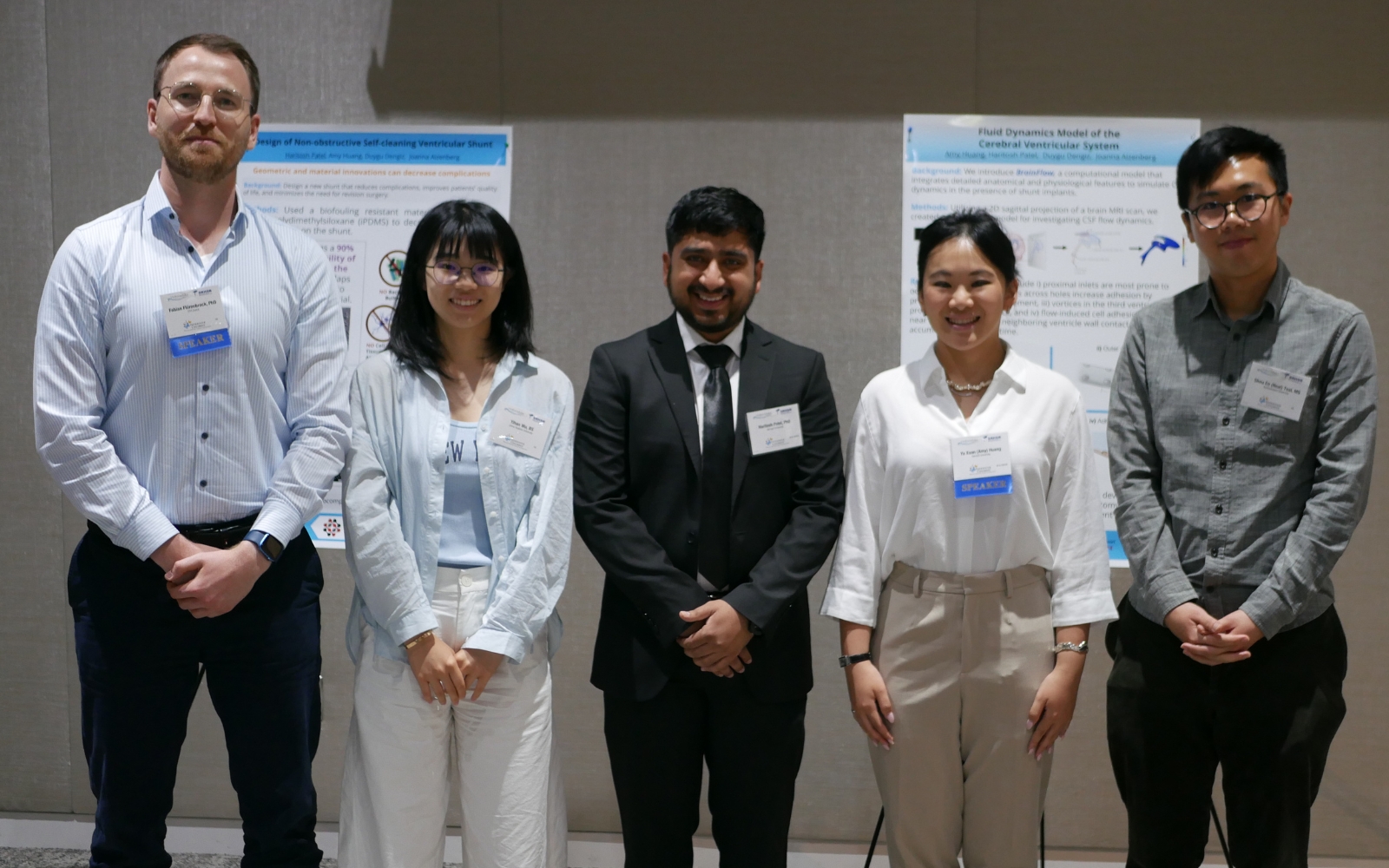
The Engineering in Hydrocephalus Prize recognizes outstanding student-led engineering projects tackling the challenges of hydrocephalus. Open to undergraduate, graduate, and professional students, projects are evaluated on scientific merit and innovation in engineering design. Upon receiving the prize, each recipient gained the opportunity to present their work at HA's 2025 Engineering Research Workshop, putting emerging engineering talent in direct conversation with the researchers, clinicians, and industry leaders working to advance hydrocephalus treatment.

Fabian Flürenbrock, PhD
Graduate Student at ETH Zürich
Engineering a Smart Shunt System for Hydrocephalus

Ahmad Alhayek, Shou En (Neal) Tsai, Jess Goldberg, and Nicholas Demetriou
A student team from Northwestern University
NeurVita Non-Invasive Device for Shunt Monitoring

Yihan Wu
Biomedical engineering PhD student at Johns Hopkins University
Non-Invasive Mapping of Cerebrospinal Fluid Flow in Perivascular Subarachnoid Space and Ventricles Using Velocity Selective Spin Labeling MRI
Cynthia Solomon Resident's Prize in Hydrocephalus
The Cynthia Solomon Resident’s Prize is designed to encourage young and dedicated doctors to focus their research efforts on advancing the treatment and care of individuals with hydrocephalus. This annual prize aims to promote research and leadership in hydrocephalus through the selection of the most promising hydrocephalus-related research paper presented by a neurosurgical resident at the Pediatric Section meeting of the American Association of Neurological Surgeons/Congress of Neurological Surgeons (AANS/CNS).

Julia Pazniokas, MD
Graduate Student at ETH Zürich
Engineering a Smart Shunt System for Hydrocephalus
Peer Reviewed Medical Research Program Grant
We would like to congratulate Dr. Leandro Castaneyra-Ruiz on receiving a 2025 Department of War Peer Reviewed Medical Research Program (PRMRP) grant focused on hydrocephalus, a testament to the growing recognition of this field at the national level.
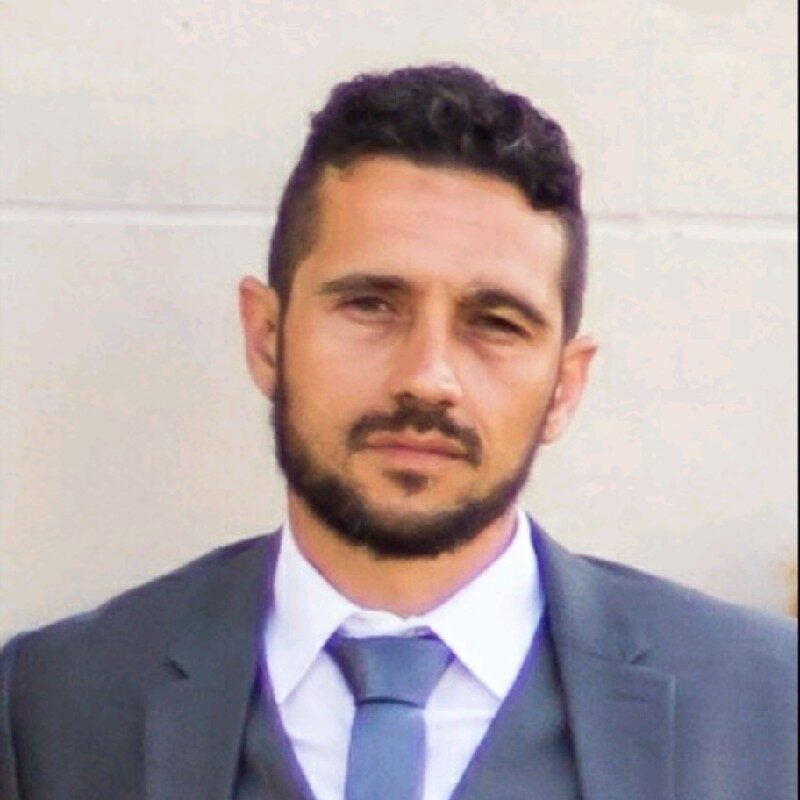
Dr. Leandro Castaneyra-Ruiz, PhD
Senior Scientist I at Children’s Hospital of Orange County
Pharmacological Treatment to Prevent Pediatric Hydrocephalus
Research Workshops: Engineering in Hydrocephalus
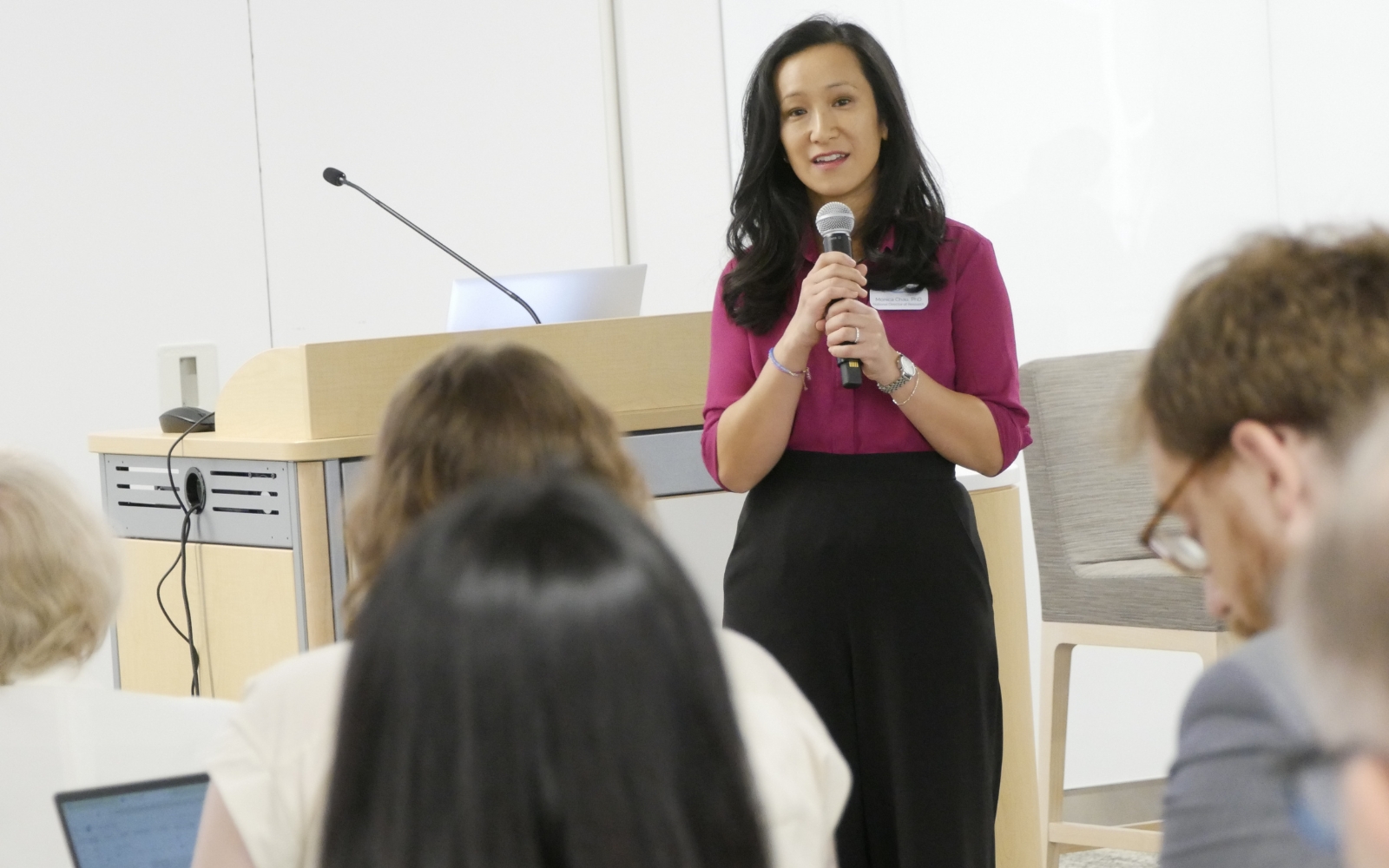
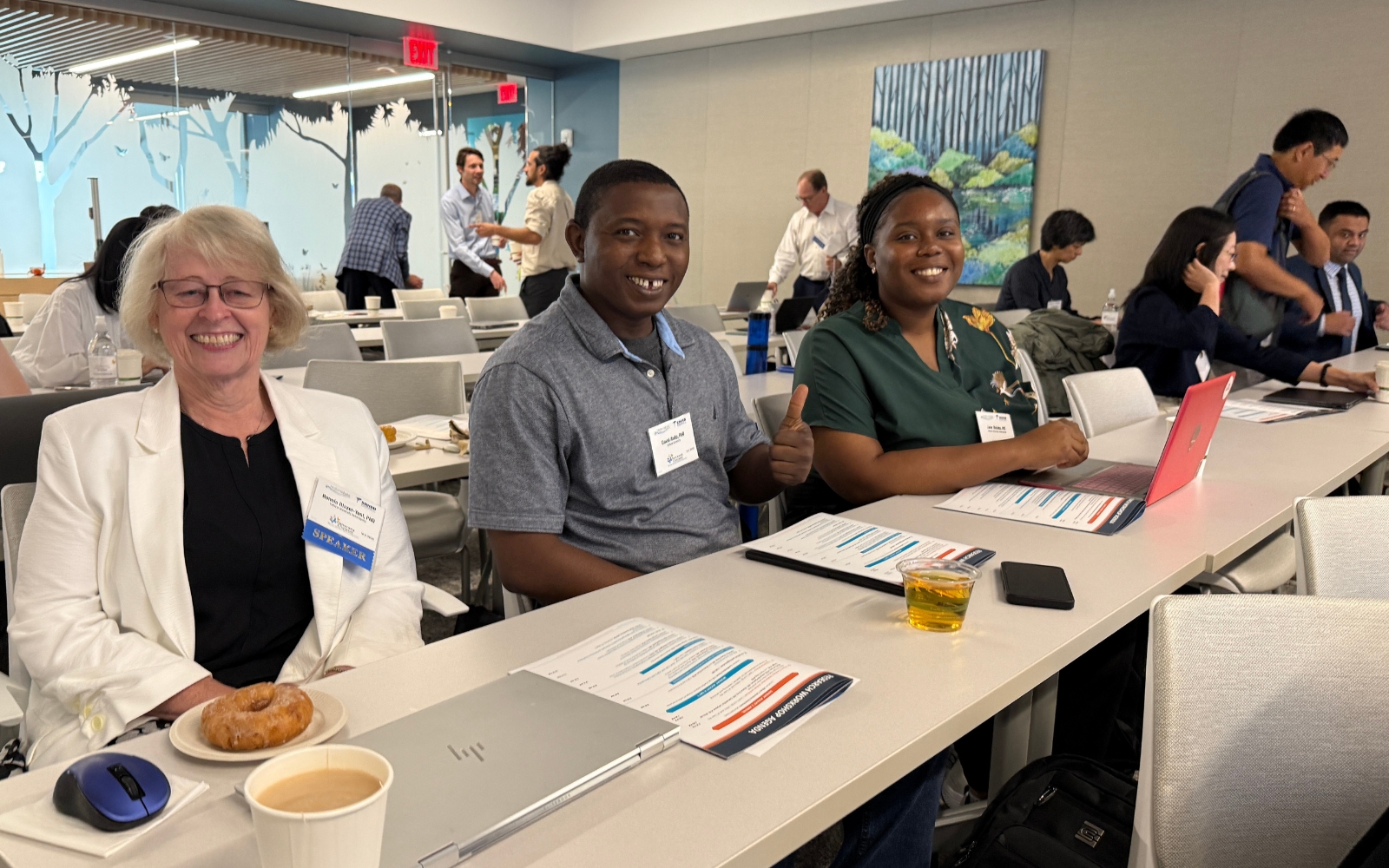
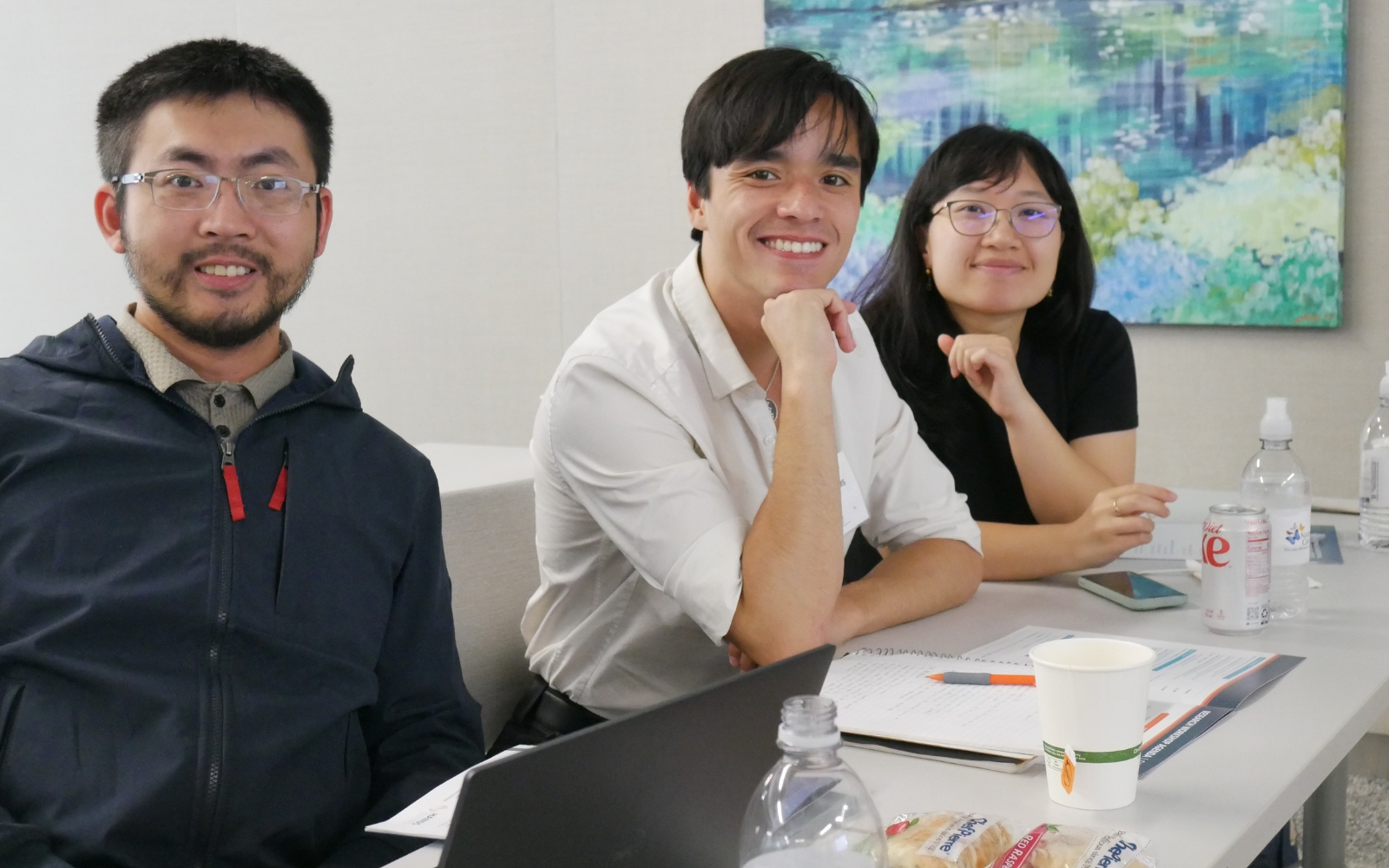
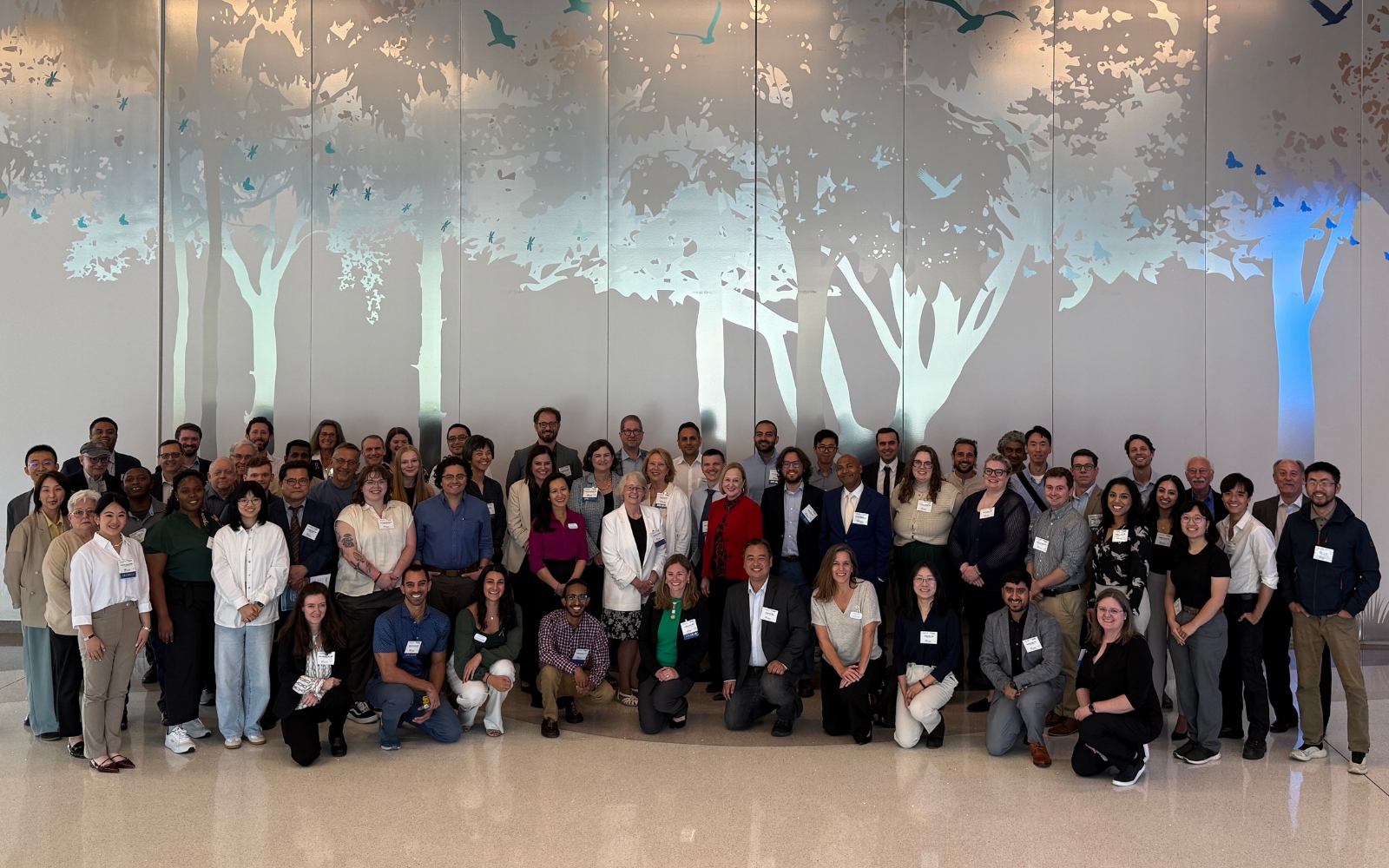
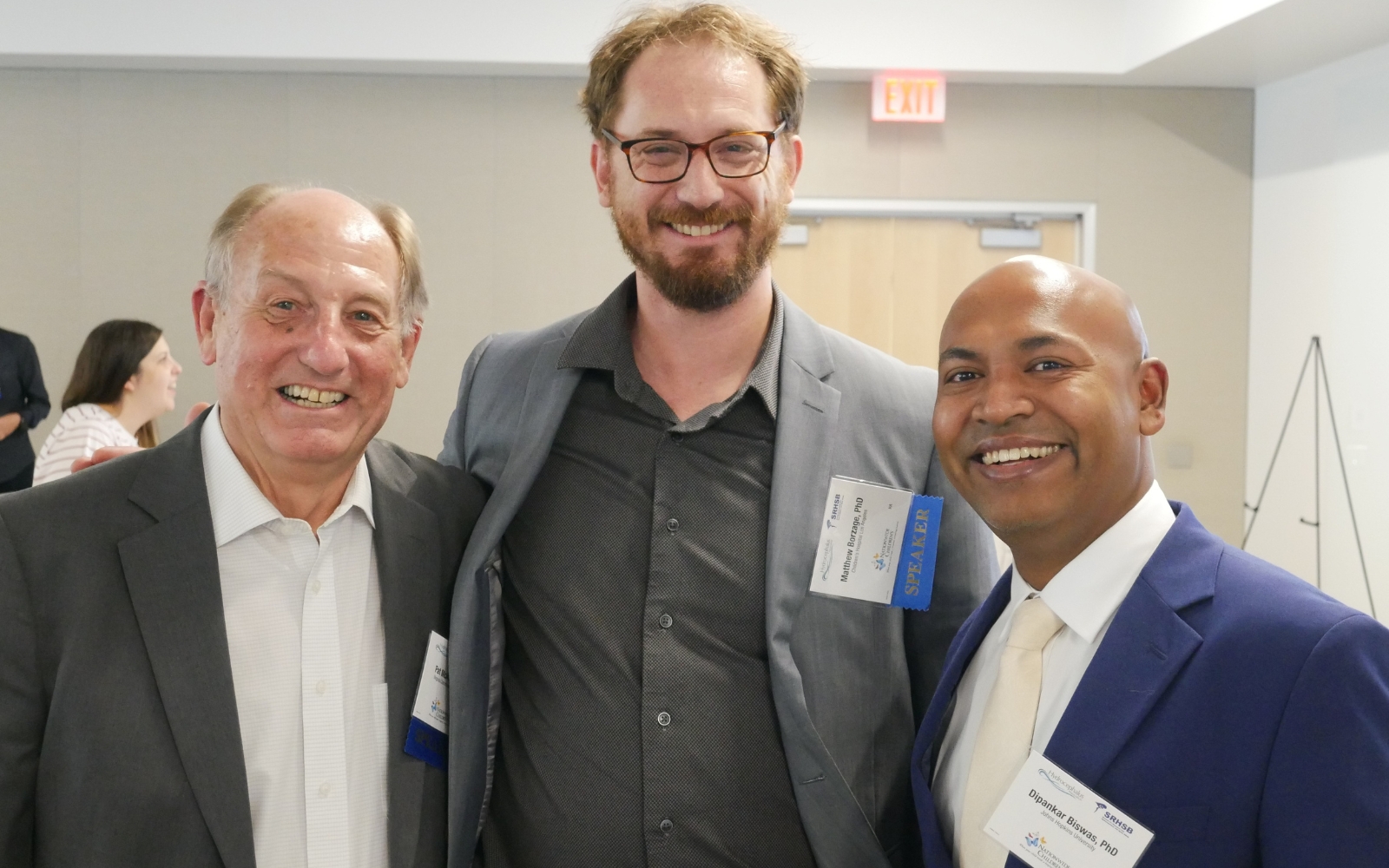
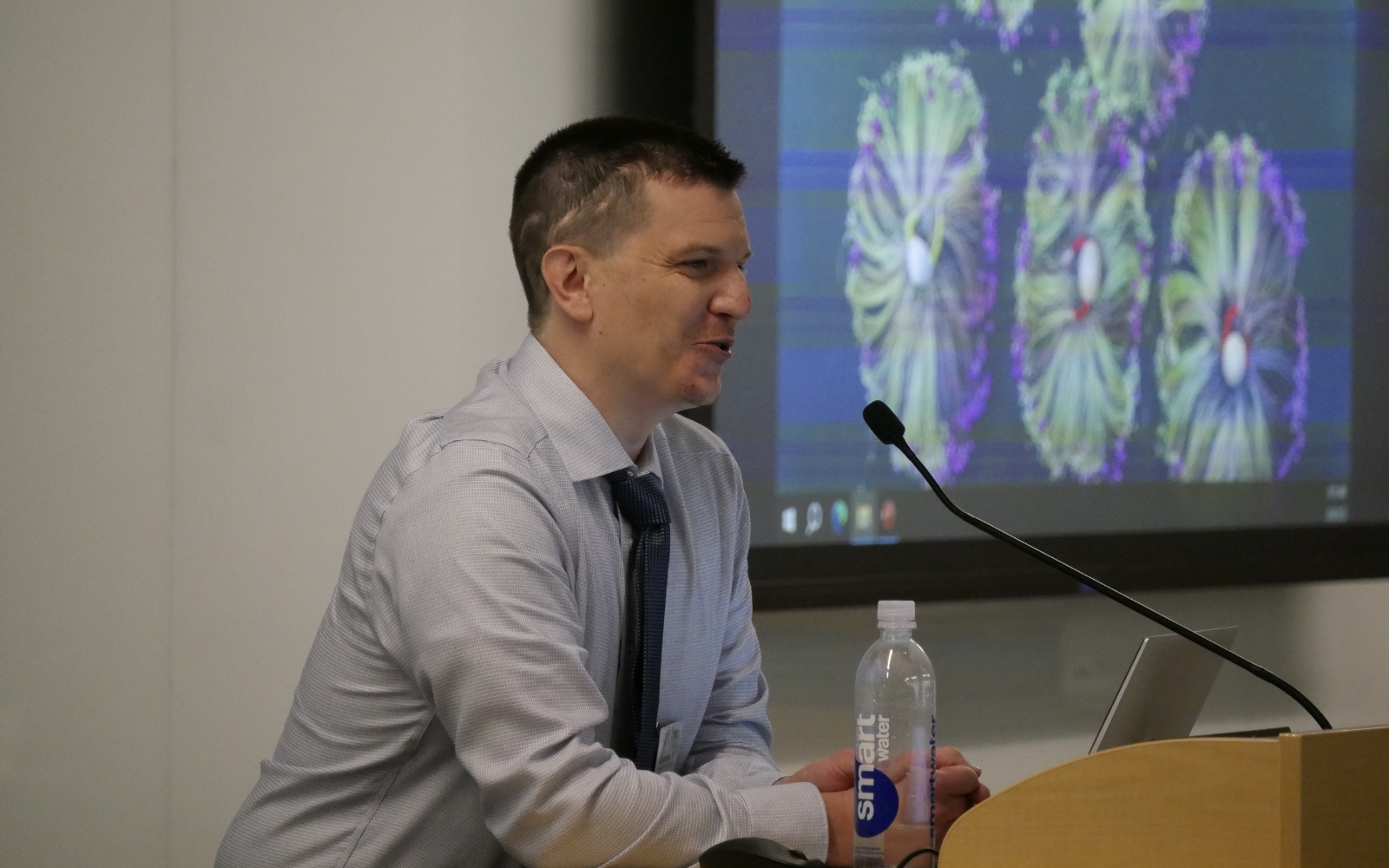
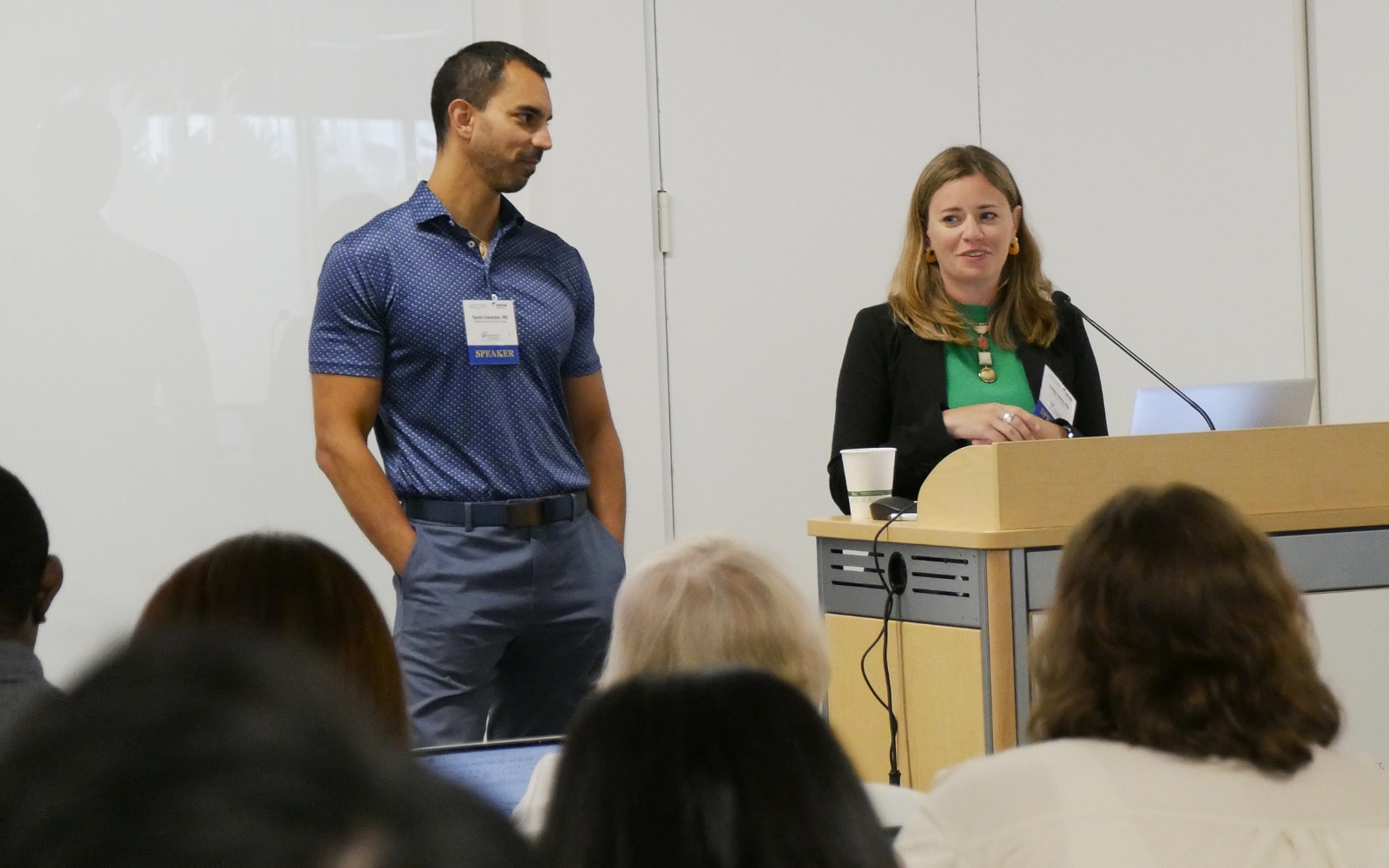
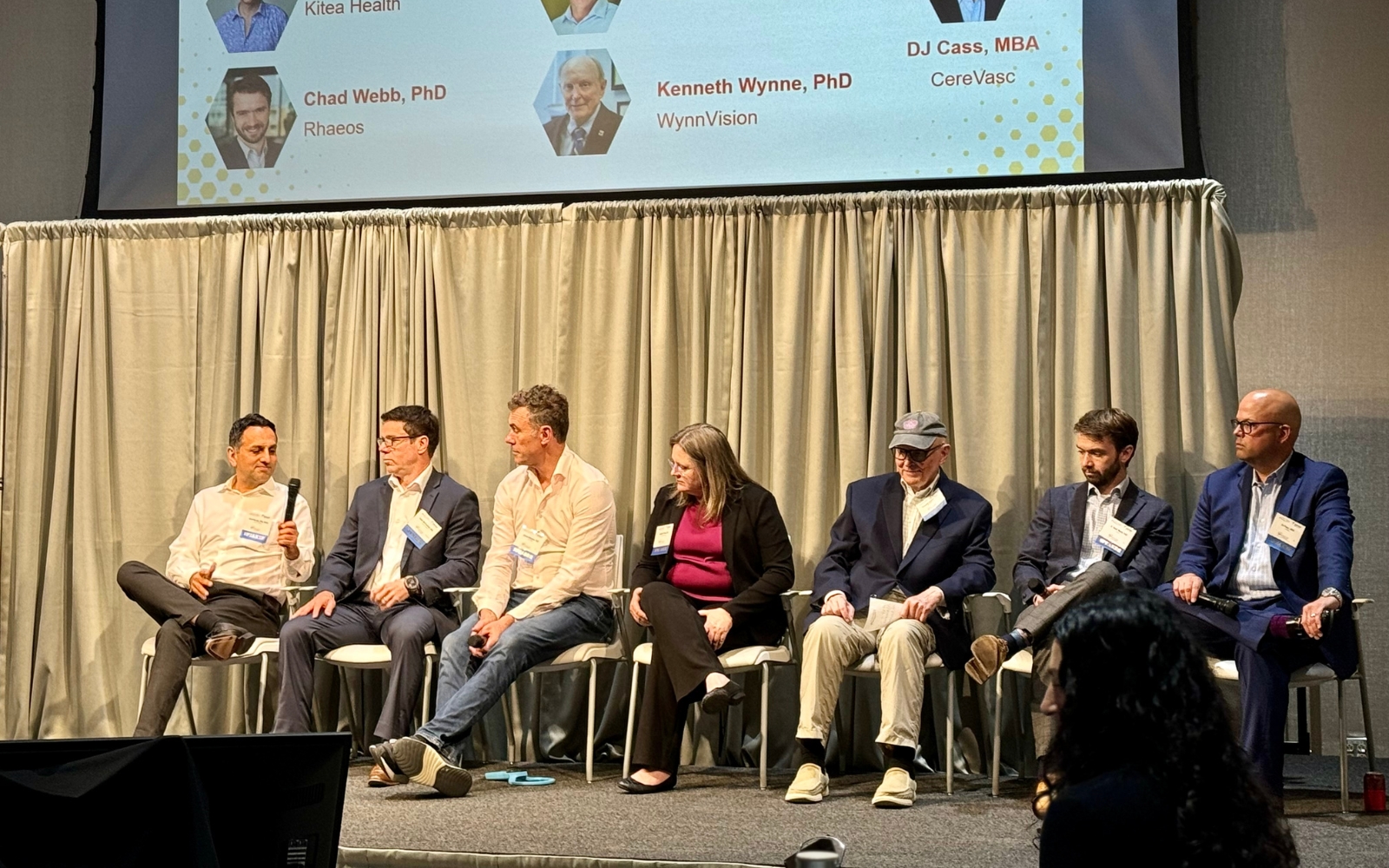
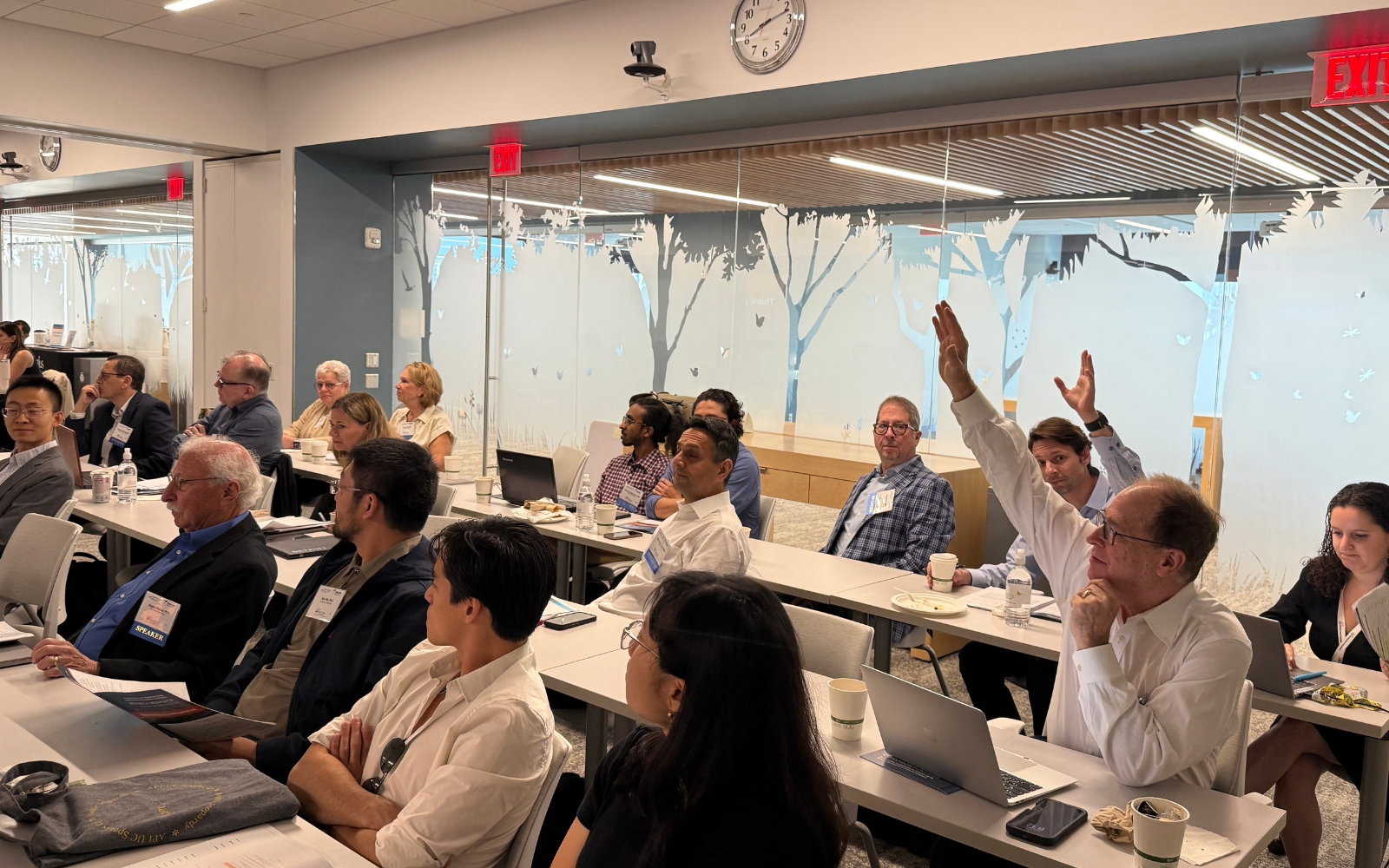
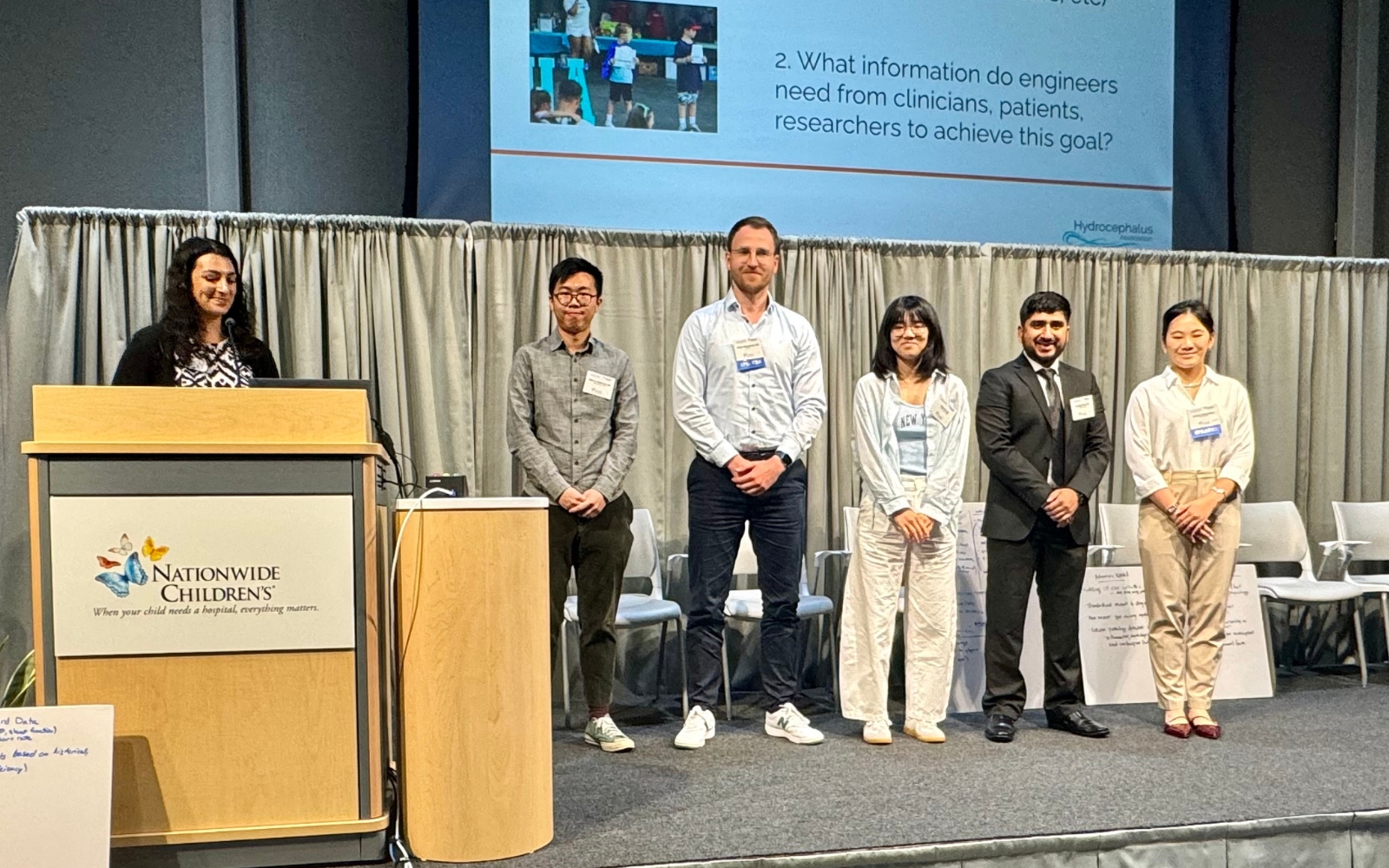
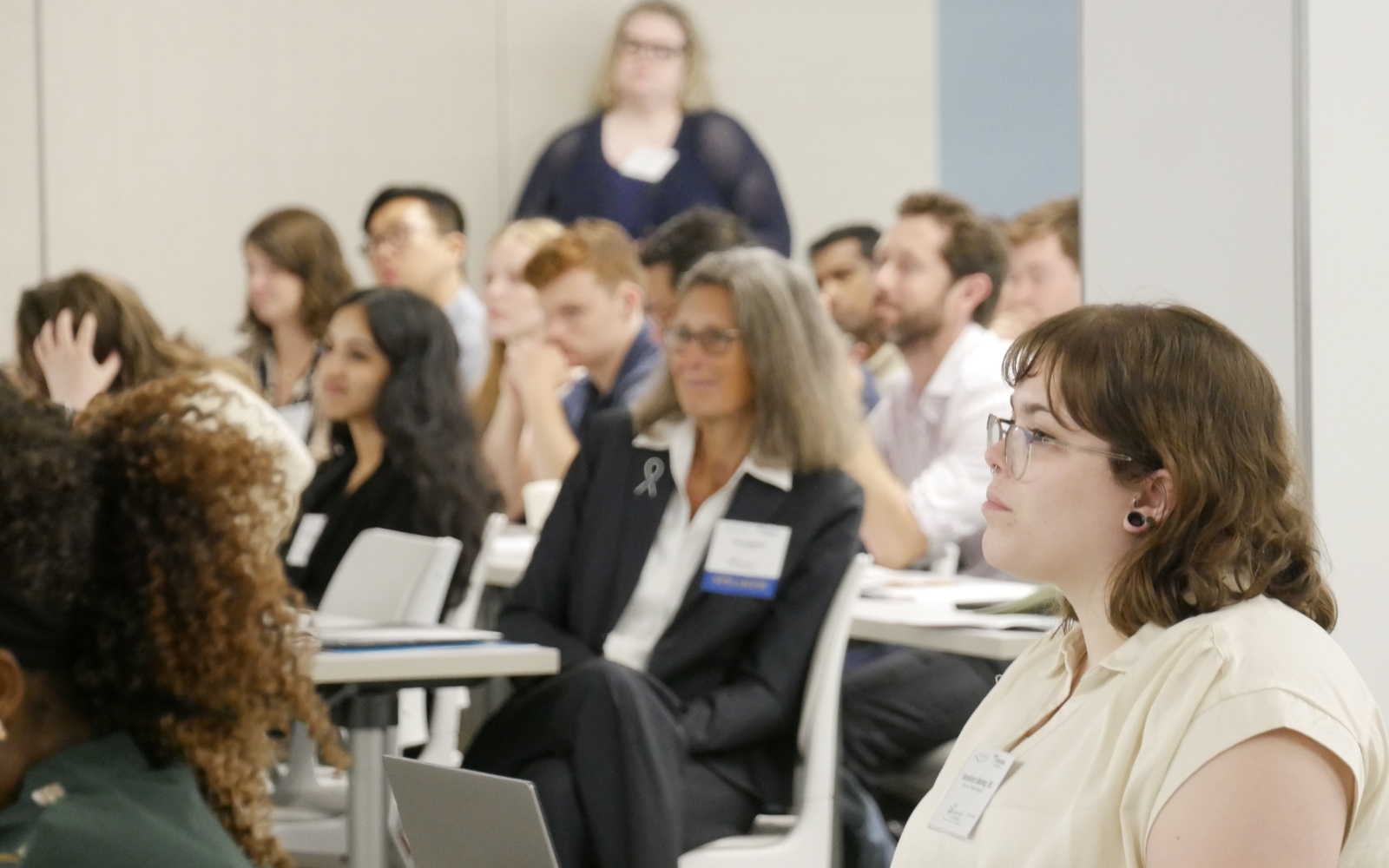
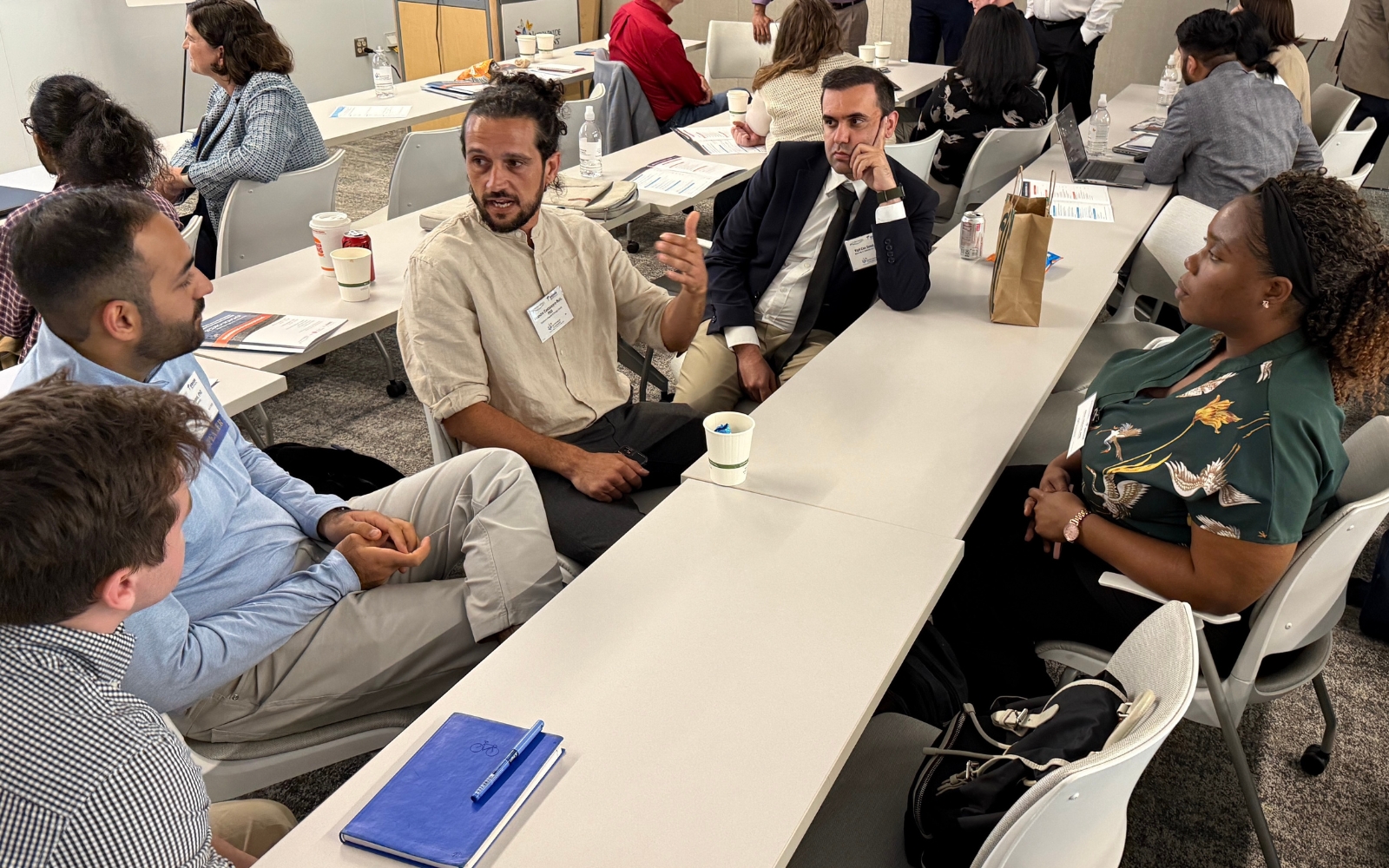
With generous support from the Rudi Schulte Research Institute, the Hydrocephalus Association hosted its largest research workshop to date in Columbus, Ohio, bringing together over 90 engineers, scientists, physicians, patients, and industry representatives around a shared goal: improving hydrocephalus treatment and diagnosis through engineering innovation.
Directly inspired by community input, the workshop focused on priorities our patients have identified as most critical, including better ways to monitor shunts, detect problems earlier, and improve shunt designs to prevent blockages and failures. Each session centered patient, clinical, and engineering perspectives, keeping conversations grounded in real-world experiences. Patients and caregivers shared powerful stories that reminded researchers and clinicians alike of the human stakes behind every innovation.
Key topics included strategies to address shunt occlusion and overdrainage, advances in computational and physical modeling, new sensor- and imaging-based diagnostic tools, and pathways to funding. A significant focus was also placed on building lasting partnerships among industry, academia, clinicians, and patients.
The workshop's impact extended well beyond the event itself. A new collaborative group was established to keep attendees connected and working together, and a roadmap paper is being developed to guide next steps for the field. This paper is to be shared broadly with the scientific, medical, and engineering communities. Overall, these efforts mark a pivotal turning point in advancing engineering solutions for hydrocephalus.

Advancing Innovation in Hydrocephalus Research
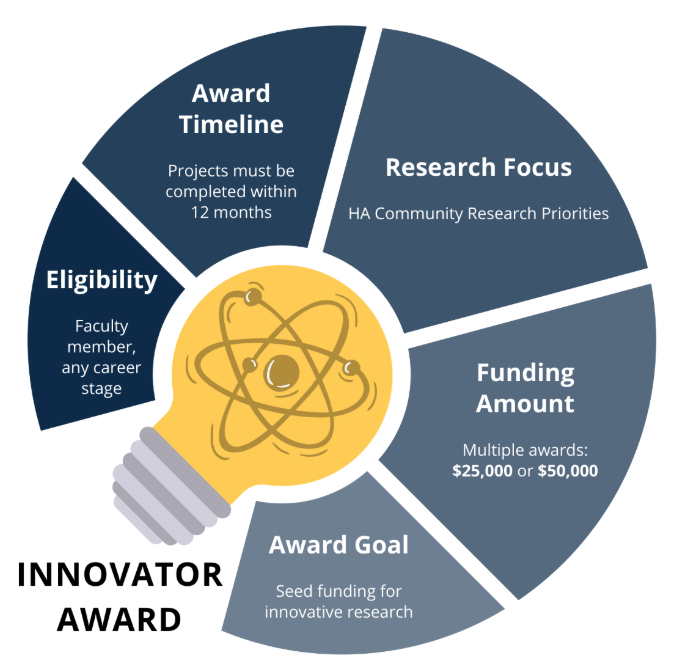
Innovator Awards: Catalyzing Bold Ideas
The Innovator Award exemplifies the power of creativity and early-stage innovation in hydrocephalus research. Designed to provide essential seed funding, this award supports visionary researchers in translating bold concepts into actionable projects. We are grateful for our continued partnership with Team Hydro, whose collaboration makes this award possible.
2025 Innovator Award Recipients

Nathaniel Fried, PhD
Professor of Physics and Optical Science
University of North Carolina at Charlotte
Image-Guided Laser Clearance of Occluded Ventricular Catheters for Treatment of Hydrocephalus

June Goto, PhD
Associate Professor in the Department of Surgery
Cincinnati Children’s Hospital Medical Center
Choroid Plexus Targeted Treatment for Hydrocephalus

Marwan Osman, PhD, MPH
Research Faculty in the Department of Neurosurgery
Yale University
Addressing Paenibacillus-Associated Neonatal Sepsis and Post-Infectious Hydrocephalus in East Africa (PANS-PIH)

Stavros Taraviras, PhD
Professor in the Department of Physiology at the Medical School
University of Patras
Investigating the Use of Focused Ultrasound as a Gene Delivery Approach Targeting Ependymal Cells
Accelerator Award: Advancing Research in Treatments
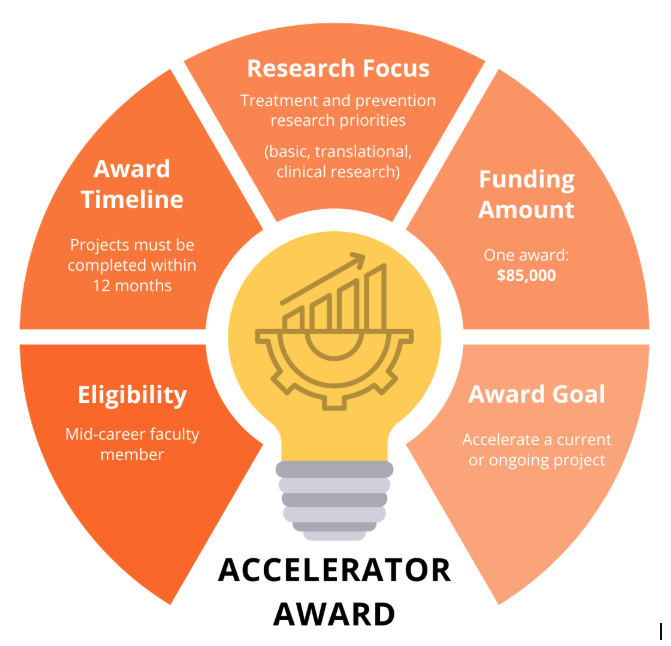
Launched in 2024, the Accelerator Award is an initiative aimed at helping established investigators advance promising work in hydrocephalus prevention or non-invasive treatment. We are proud to continue to emphasize HA’s strategic focus on moving treatment discoveries forward with this award.
2025 Accelerator Award Recipient

Thomas Arnold, MD
Associate Professor in the Department of Pediatrics
University of California, San Francisco
A Role for Choline in Congenital Hydrocephalus
HAPPIER Registry: Putting Patient Voices at the Center of Research
A major milestone was reached in 2025 with the publication of the first scientific paper from the Hydrocephalus Association Patient-Powered Interactive Engagement Registry, known as HAPPIER. HAPPIER is an online patient registry that collects information directly from people living with hydrocephalus and their caregivers, capturing various aspects of living with the condition: from symptoms and surgeries to challenges with movement, learning, emotional health, and more. The published paper highlights data from the first 691 participants, marking a significant step toward ensuring that the patient perspective is front and center in hydrocephalus research.
Patient participation in research is not just valuable; it is essential. Every person who joins the HAPPIER registry contributes to our understanding of the lived experiences of those with hydrocephalus, which helps shape research priorities, inform clinical decisions, and strengthen advocacy efforts on behalf of the entire hydrocephalus community. The registry is continuing to evolve, with enhancements underway to make it easier for participants to share their experiences, update their information, and contribute to studies that aim to improve understanding of daily life with hydrocephalus. We are deeply grateful to every individual and family who has joined HAPPIER. Your willingness to share your experiences is driving real change, and this publication is proof of that.
HA Publishes Key Research Priorities for Non-Invasive Therapies to Improve Hydrocephalus Outcomes
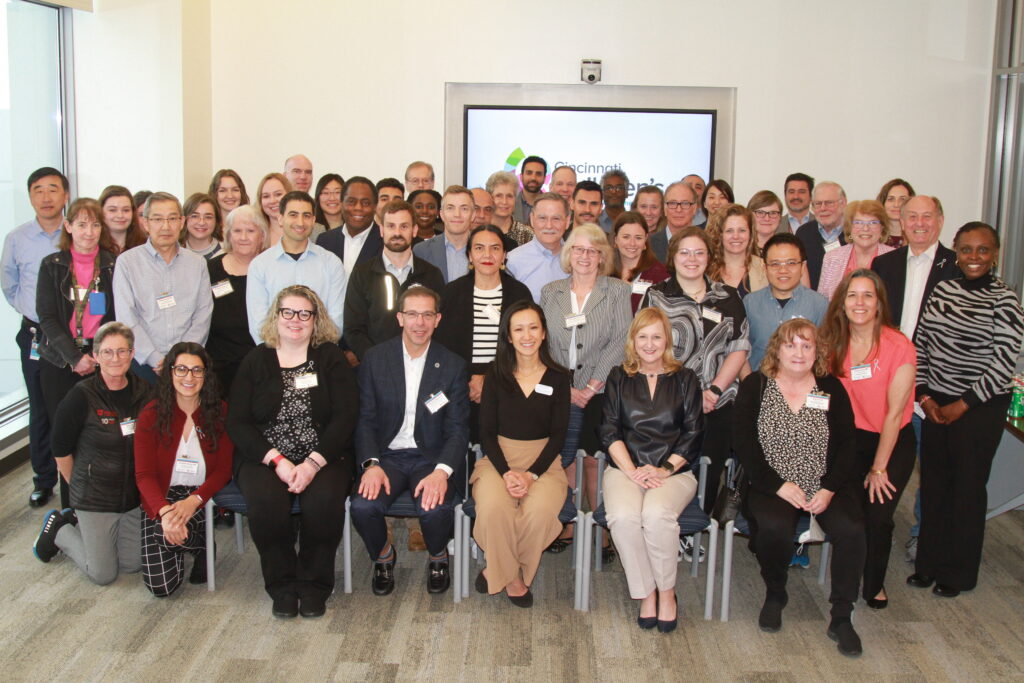 Developing non-invasive treatments, such as drug or gene therapy, is the Hydrocephalus Association’s top Community Research Priority. Through various research initiatives, HA continues to take concrete steps to making that vision a reality.
To advance this goal, HA, along with the generous support from the Rudi Schulte Research Institute and the Cincinnati Children’s Hospital Medical Center, organized two research workshops dedicated to advancing non-invasive hydrocephalus treatments, bringing together scientists, clinicians, patients, funding agencies, and industry representatives. The insights from those workshops were formalized and published in our recent paper, Research Priorities for Non-Invasive Therapies to Improve Hydrocephalus Outcomes, in the peer-reviewed scientific journal Fluids and Barriers of the CNS. The publication identifies three major research themes: deepening our understanding of how cerebrospinal fluid functions in the brain; using large patient datasets and emerging technologies, like machine learning, to identify new treatment targets; and designing preclinical studies that can be translated into clinical trials.
Together, these priorities provide a clear, community-driven roadmap to guide researchers toward safer and more effective treatments, and ultimately, toward a future where hydrocephalus can be managed without surgery.